


Bullfighting is a traditional Spanish spectacle in which a person enters the arena against a bull. In Spain, it is considered part of history and culture, but today there are many debates around bullfighting because of the treatment of animals.
History of bullfighting
When people talk about Spain, many immediately think of flamenco, paella, football, bright festivals and, of course, bullfighting. For a tourist, it may look like an unusual show, but for Spain itself, bullfighting was for a long time a much bigger phenomenon. It is connected with the country’s history, with the image of courage, with traditional festivals and even with art.
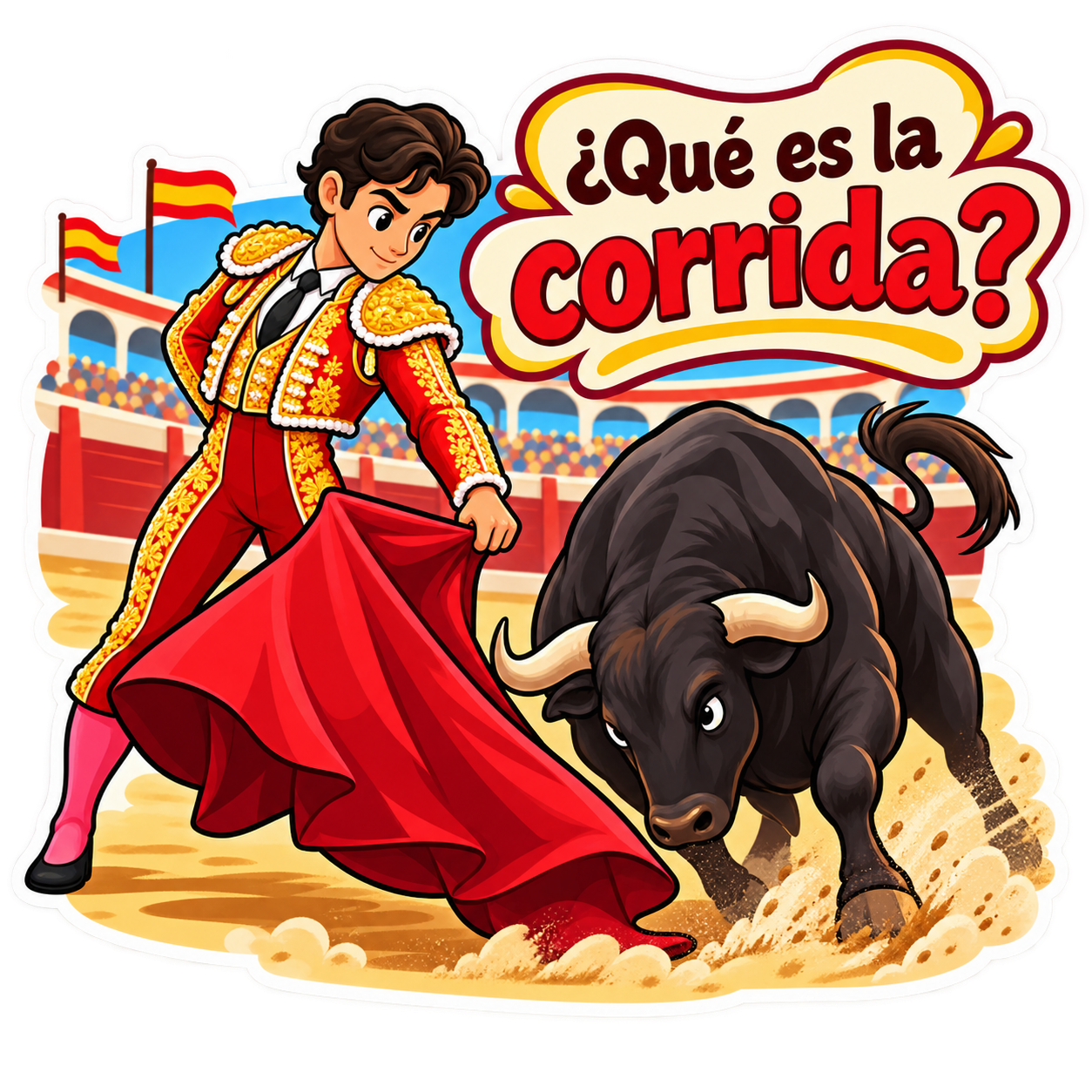
The word bullfighting comes from the Spanish expression corrida de toros. Literally, it can be translated as “running of bulls” or “fight of bulls.” In the modern sense, bullfighting is a performance in a special arena where a torero works with a bull according to certain rules. It has its own stages, participants, costumes, gestures and rituals.
The first traditions connected with bulls appeared on the Iberian Peninsula a very long time ago. The bull was perceived as a symbol of strength, power and danger. In different historical periods, competitions, festivals and ritual games with bulls were organized. Later, in the Middle Ages, participation in such duels became entertainment for the nobility. Noblemen went against bulls on horseback, demonstrating bravery and the ability to control the animal.
Over time, the format changed. Gradually, the main role began to be played by toreros on foot. Bullfighting began to turn into a more organized spectacle, where not only strength and risk were important, but also technique, beauty of movement, precision and self-control. The modern form of bullfighting began to develop especially actively in the 18th century. At that time, professional matadors, recognizable costumes and a clear order of performance appeared.
In the 19th and 20th centuries, bullfighting became one of the most famous symbols of Spain. Artists depicted it, writers wrote about it, and travelers described it. For some, it was art; for others, it was a dangerous popular spectacle. But bullfighting almost always caused strong emotions.
Today, the attitude toward it is no longer so clear. There are Spaniards who consider bullfighting an important part of national culture. There are also those who oppose it because they consider such a tradition cruel. Therefore, in simple words, bullfighting is not just a “fight with a bull.” It is a cultural phenomenon that at the same time causes admiration, interest, criticism and protests.
Types of bullfighting
Not all performances with bulls are the same. The word “bullfighting” is often used for everything, but in Spain there are different formats. They differ in the age of the bulls, the level of the participants, the rules and even whether the performance ends with the death of the animal.
| Type of performance | What it is | Feature |
|---|---|---|
| Corrida de toros | Classic bullfighting with adult bulls | The most famous and traditional format |
| Novillada | A performance with young bulls | Beginner toreros often take part |
| Rejoneo | Bullfighting on horseback | The main role is played by the rider |
| Becerrada | A performance with young calves | Usually a more educational or amateur format |
| Recortes | Jumps and maneuvers in front of the bull | Participants do not use the traditional matador’s cape |
| Encierro | Running of the bulls through the streets | The most famous example is the San Fermín festival |
The most famous form is corrida de toros. This is what people most often imagine when they talk about bullfighting. Professional matadors and their team perform in the arena. The whole action follows a strict scenario and is divided into several parts.
Novillada is a performance with young bulls. For beginner toreros, this format is very important because this is where they gain practical experience. It is a kind of transitional stage before a big career.
Rejoneo is very different from classic bullfighting. Here the torero works with the bull on horseback. The horse must be very well trained because it is close to a dangerous animal and must quickly react to the rider’s commands.
There are also more spectacular, but less classical formats, for example recortes. In them, participants jump over the bull, sharply dodge attacks and perform acrobatic movements. This format is more like a sports competition for agility and courage.
It is also worth mentioning encierro separately — the running of the bulls through the streets. This is not bullfighting in the classical sense, but it is also part of Spanish traditions connected with bulls. The most famous encierro takes place in Pamplona during the San Fermín festival.
Rules of bullfighting
Classic bullfighting takes place in a round arena called plaza de toros. Spectators sit around the arena, and the action unfolds in the center. At first glance, it may seem that everything is happening chaotically, but in fact bullfighting has a strict structure.
Usually, the fight is divided into three parts. In the Spanish tradition, they are called tercios.
The first stage is getting to know the bull. The torero observes how the animal moves, how it reacts to the cape, how quickly it attacks, and whether it gets tired too early. For the matador, this is a very important moment. He must understand the bull’s character because all further work in the arena depends on it.
At this stage, the picadors appear. They are on horseback and use long lances. Their task is to weaken the bull and test its strength. For a modern spectator, this part often looks especially difficult because the animal already receives its first wounds.
The second stage is connected with banderillas. The banderilleros stick short decorated sticks into the bull’s body. This is done quickly and requires agility. From the point of view of tradition, this stage should show the reaction of the participants and prepare the bull for the final part.
The third stage is the most famous one. The matador comes out with a red cloth called a muleta and a sword. He makes passes, forcing the bull to move close to him. Here calmness, precision, beauty of movement and control over the situation are evaluated. In classic bullfighting, the final usually ends with the matador killing the bull.
There is a common myth that it is the red color that irritates the bull. In fact, the animal reacts primarily to the movement of the cloth. The red muleta is part of the traditional image and visual style of bullfighting.
The audience at a bullfight also plays an important role. Spectators evaluate the matador’s performance, applaud, express dissatisfaction or demand a reward. If the performance is considered especially successful, the matador may receive a symbolic award. For a person outside this culture, such details may seem strange, but within the tradition they have their own meaning.
Bulls for bullfighting
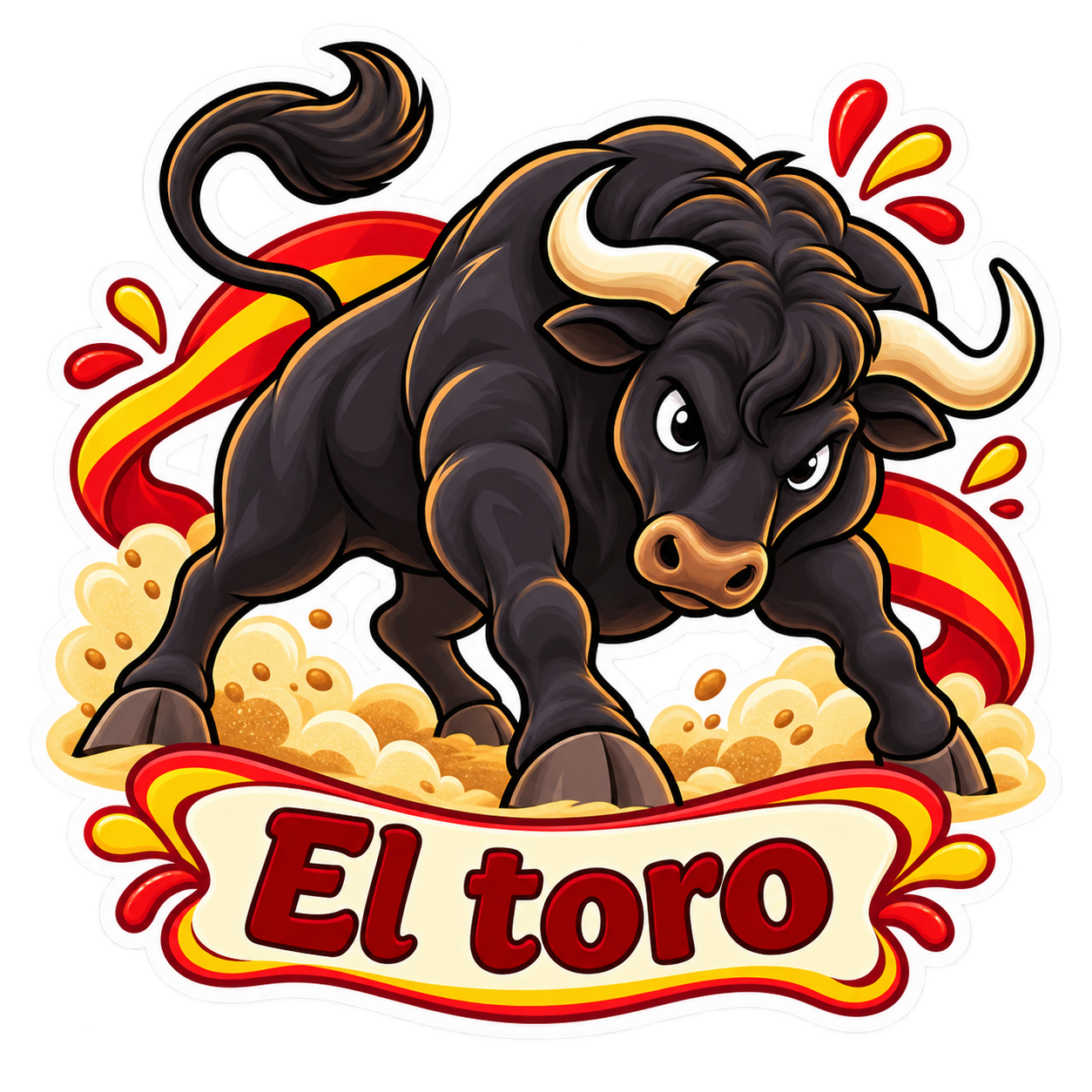
Bullfighting does not use ordinary bulls that one might imagine on a farm. Special animals are bred for this purpose — fighting bulls, or in Spanish toro de lidia. They are raised on special farms.
Such bulls are selected for strength, endurance, character and reaction. It is important that the animal is active, brave, attacks quickly and does not retreat immediately. Bullfighting values not just aggression, but a certain type of behavior: the bull must go again and again toward the movement of the cape.
Fighting bulls usually grow up on large pastures. Supporters of bullfighting often say that these animals live more freely and longer than many farm animals. Opponents answer that good living conditions before the arena do not justify suffering during the fight.
A classic bull for bullfighting usually reaches the age of about four to five years. It must be large, physically strong and meet the requirements of a particular performance. Before entering the arena, the animal is inspected.
Breeding fighting bulls is a separate sphere with its own traditions, breeder families and farm reputations. For some regions of Spain, this is not only a cultural but also an economic issue: farms provide work for people, support rural areas and are connected with the festival industry.
But this is exactly where the main conflict arises. On the one hand, classic bullfighting is impossible without these bulls. On the other hand, more and more people believe that a cultural tradition should not be built on the pain of an animal.
How to become a matador?
A matador is the main participant in classic bullfighting. It is he who enters the final stage of the fight and is responsible for the most dangerous confrontation with the bull. But it is impossible to become a matador quickly. This is a profession for which people train for years.
Usually, the path begins with a school of tauromachy. In such schools, students study the history of bullfighting, rules of behavior in the arena, movements with the cape, bodywork, safety and psychological preparation. At first, training takes place without a real bull: students practice steps, turns, hand movements and reaction.
Later, future toreros begin to work with young animals. This is already a serious stage because even a young bull can be dangerous. One must learn not to panic, to choose the right distance and to quickly understand the animal’s behavior.
The next level is performances in novilladas. The participant is not yet a full matador, but already enters the arena in front of the public. Here he gains experience, receives first invitations and gradually builds a reputation.
A very important moment in the career is the alternativa. This is a ceremony after which the torero officially becomes a matador and receives the right to perform with adult bulls. For the world of bullfighting, it is similar to a professional initiation.
A matador must be not only brave. He needs physical fitness, discipline, the ability to hold a pause, artistry and a very strong psyche. In the arena, one must not fuss or lose control. A mistake can cost health or life.
Besides the matador himself, his team takes part in the performance. It is called a cuadrilla. It includes assistants who work at different stages of the bullfight. But the spectator most often remembers the matador because he becomes the main face of the entire performance.
How much do matadors earn?
A matador’s earnings can vary greatly. Everything depends on fame, experience, city, arena, season and number of performances. A beginner torero may earn little, especially if he performs in small arenas. Famous matadors at major events earn much more.
Name recognition affects income. If a matador is popular and the audience comes specifically to see him, organizers are ready to pay more. But a high fee for a performance does not mean that all the money remains with the torero. From the fee, the team, costumes, trips, agent, preparation and other expenses are paid.
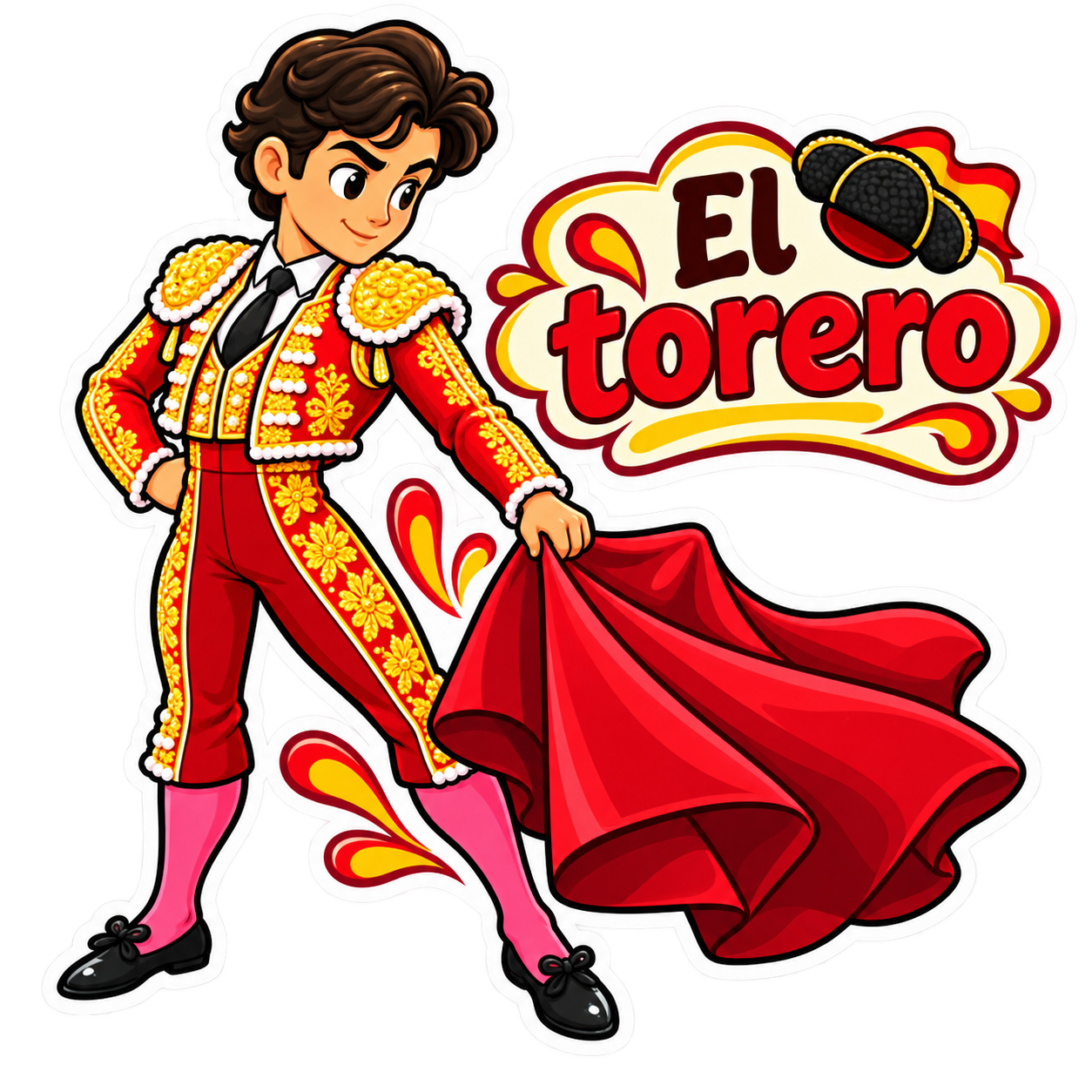
The matador’s costume, called traje de luces, is also expensive. It is not ordinary stage clothing, but a complex costume with embroidery and a tight fit. In addition, the torero constantly trains, travels and maintains professional form.
A career in bullfighting is unstable. One matador may have a successful season and then fewer invitations. Someone becomes famous, while someone remains at the level of small performances. Plus, there is always the risk of injury. Therefore, this profession can bring fame, but it does not guarantee a calm and stable life.
To put it simply, matadors can earn from modest sums to very high fees. But big money is received only by well-known professionals who perform in large arenas and attract an audience.
Is bullfighting allowed in Spain now?
Bullfighting in Spain is not currently banned at the national level. In some regions, it continues to be held, especially during festivals and major events. For example, in Madrid, Andalusia, Valencia and a number of other regions, bullfighting still remains part of cultural life.
But the situation is not the same throughout Spain. Different autonomous communities have different attitudes toward bullfighting. In some places it is supported as a tradition, in some places it has almost disappeared from modern life, and in some places there are active debates around it.
In Madrid, bullfighting remains a noticeable part of the cultural calendar. The most famous arena is Las Ventas. Large events take place there, attended by both local residents and tourists.
In Andalusia, bullfighting also historically occupies an important place. Cities such as Seville, Ronda or Córdoba are often associated with the traditions of tauromachy. For some local residents, it is not just a show, but part of regional identity.
At the same time, in Catalonia, classic bullfighting has practically not been held for many years. On the Canary Islands, it is also not an active practice. This shows that Spain is not homogeneous on this issue: one part of society protects the tradition, while another wants to leave it in the past.
In recent years, restrictions have been discussed more and more often: whether children should be allowed to attend such events, whether money should be allocated from the budget, and whether bullfighting should be shown on television. Animal rights defenders demand a complete ban. Supporters respond that a ban would destroy part of cultural heritage and harm people who work in this field.
Therefore, to the question “is bullfighting allowed in Spain?” it is more correct to answer this way: yes, in general it is allowed, but whether it takes place depends on the region, local rules and public attitude.
Today, bullfighting remains one of the most controversial Spanish traditions. It truly has deep historical roots and is connected with culture, festivals and the image of Spain. But the modern world is changing, and more and more people are asking: can a tradition remain important if it causes pain to an animal?
There is no single answer here. For some, bullfighting is art and part of the Spanish soul. For others, it is a cruel spectacle that has no place in the 21st century. But to understand Spain more deeply, it is important to know both sides of this topic. Bullfighting is not only about the arena and the bull. It is a conversation about culture, history, ethics and how society decides which traditions to preserve and which to reconsider.